
E-visas are available from Vietnam to passport holders of every country and territory. A single-entry option costs $25, a multiple-entry one $50, and either can remain valid for as long as 90 days. Travellers from 26 nationalities, among them the UK, Germany, France, Japan and South Korea, may enter without a visa, in most cases for 45 days. Everything about Vietnam visa requirements, the fees involved and the penalties for breaking the rules is covered below.
Anyone organising a trip should begin with the nationality table further down, which shows the track your passport falls under, and then work through the application steps. We are an independent, informational guide: this is not a government site, we do not handle applications and we charge no fees. Applications and payments happen only at the government portal evisa.gov.vn, and it is worth checking the rules in force there before you set off.
Vietnam Visa Requirements by Nationality
Three tracks make up Vietnam’s visa policy. The first is visa-free entry, open to 26 nationalities. The second is the e-visa, which covers everyone else. The third concerns 13 passports, largely belonging to Southeast Asian neighbours, whose status could not be confirmed in readable Vietnamese sources. Find your passport below.
| Country | Requirement | Max stay | Legal basis |
|---|---|---|---|
| United Kingdom | Visa-free | 45 days | Resolution 44/NQ-CP, any purpose, until 14 Mar 2028 |
| Germany | Visa-free | 45 days | Resolution 44/NQ-CP, any purpose, until 14 Mar 2028 |
| France | Visa-free | 45 days | Resolution 44/NQ-CP, any purpose, until 14 Mar 2028 |
| Italy | Visa-free | 45 days | Resolution 44/NQ-CP, any purpose, until 14 Mar 2028 |
| Spain | Visa-free | 45 days | Resolution 44/NQ-CP, any purpose, until 14 Mar 2028 |
| Japan | Visa-free | 45 days | Resolution 44/NQ-CP, any purpose, until 14 Mar 2028 |
| South Korea | Visa-free | 45 days | Resolution 44/NQ-CP, any purpose, until 14 Mar 2028 |
| Poland | Visa-free | 45 days | Resolution 229/NQ-CP, tourism only, until 14 Aug 2028 |
| Netherlands | Visa-free | 45 days | Resolution 229/NQ-CP, tourism only, until 14 Aug 2028 |
| Czechia | Visa-free | 45 days | Resolution 229/NQ-CP, tourism only, until 14 Aug 2028 |
| United States | E-visa | 90 days | Resolution 127/NQ-CP, since 15 Aug 2023 |
| Canada, Australia, New Zealand | E-visa | 90 days | Resolution 127/NQ-CP, since 15 Aug 2023 |
| Ireland | E-visa | 90 days | Resolution 127/NQ-CP, since 15 Aug 2023 |
| India | E-visa | 90 days | Resolution 127/NQ-CP, since 15 Aug 2023 |
| China | E-visa | 90 days | Resolution 127/NQ-CP, since 15 Aug 2023 |
| Pakistan, Bangladesh, Afghanistan | E-visa | 90 days | Resolution 127/NQ-CP, since 15 Aug 2023 |
| UAE, Saudi Arabia | E-visa | 90 days | Resolution 127/NQ-CP, since 15 Aug 2023 |
| Ukraine | E-visa | 90 days | Resolution 127/NQ-CP, since 15 Aug 2023 |
| Philippines, Indonesia | Unconfirmed | Check before travel | No readable Vietnamese source available |
One practical distinction deserves attention. Poland, the Netherlands and Czechia appear in Resolution 229/NQ-CP for tourism only, whereas the countries listed in Resolution 44/NQ-CP carry no restriction on the purpose of the visit. So if your passport is Polish, Dutch or Czech and the trip is for business, you should apply for an e-visa instead. Apart from those 25 passports, 159 nationalities come under the general e-visa track, as set out in the government’s Resolution 127/NQ-CP of August 2023.
E-Visa Types: Single vs Multiple Entry
Two options exist, and price plus the number of border crossings allowed are the only things separating them. With the single-entry e-visa, priced at $25, Vietnam can be entered one time. The multiple-entry e-visa, priced at $50, allows as many entries as you wish for as long as it stays valid.
According to the published e-visa notices of the Immigration Department, each of them is valid for up to 90 days and each is open to citizens of every country and territory. Thinking of a side trip to Laos or Cambodia with a return to Vietnam afterwards? That second crossing calls for the multiple-entry version.
There are two limits to keep in mind. An e-visa is granted only to foreigners who are outside Vietnam, not to anyone already living in the country. Once you have departed, a new e-visa can be requested. Should you be inside Vietnam on an e-visa and need another visa, an application is possible when a Vietnamese authority, organization or individual invites or guarantees you.
Required Documents and Passport Validity
Only two images are requested in the application, but both must be correct. These are the files you upload:
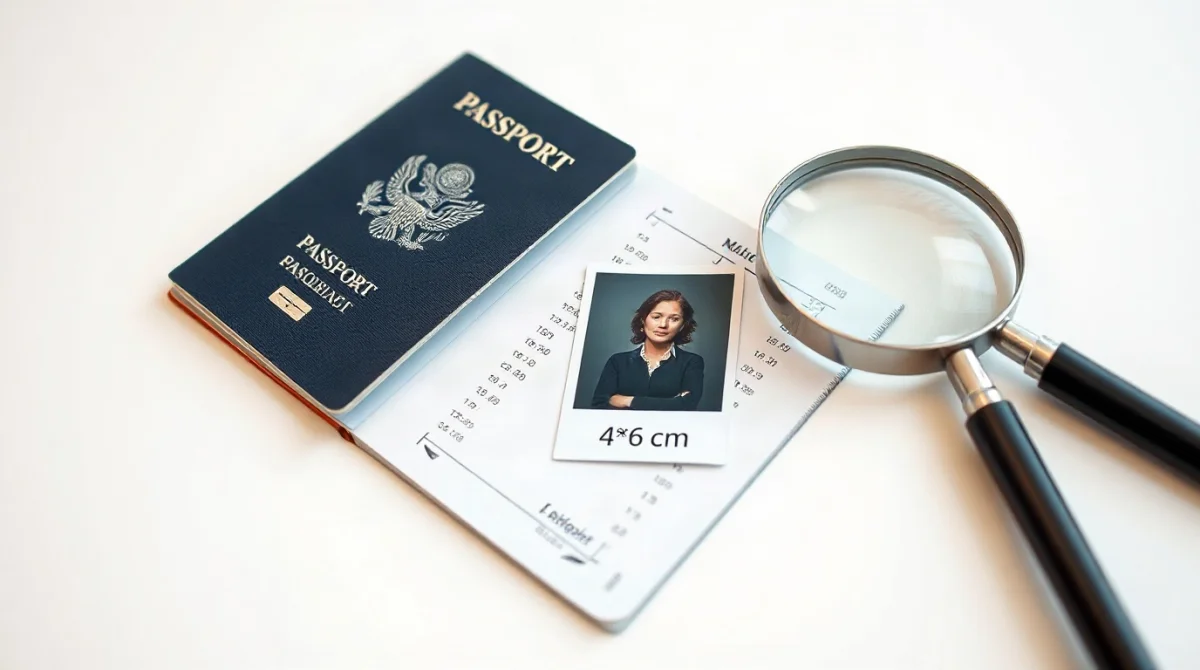
- Portrait photo: a fresh shot measuring 4 × 6 cm, in JPG or JPEG format and under 2 MB. Face the camera directly, without a hat or glasses, dress formally, and set the background to white.
- Passport data page: a single legible image of the data page, with no corners cut off.
Enter your name in capital letters, exactly as it is printed on the ICAO line of your passport. Go through that machine-readable line character by character before submitting.
On passport validity, the portal’s FAQ says an e-visa’s validity has to end at least 30 days before the passport’s does. In practice, a passport that stays valid well past your trip is fine. No validity rule for visa-exempt visitors appears in Vietnamese sources; the UK Foreign Office recommends that a British passport remain valid for at least 6 months after arrival, hold at least 2 blank pages and be free of damage, since British nationals have been refused entry because of damaged passports. Entering and leaving Vietnam on the same passport is also required.
Cost and Processing Time
Single entry costs $25 and multiple entry $50, paid online via the portal’s e-payment gateway. No refund is given under any circumstances, even when the visa is refused, since the money covers processing under Resolution No. 30/2016/QH14.
Once payment is made and complete, valid information has been submitted, processing normally takes 3 working days. Where the Police Department has to verify the application, the wait can stretch from 3 to 15 working days. Weekends and public holidays are excluded, so factor that into your travel planning.
Several details tend to trip applicants up. Updating the payment status can take as long as 2 hours. When information is incomplete or invalid, you will be asked for further details, and the countdown begins again from the moment valid information arrives. Avoid sending a second identical application while you wait: the Immigration Department regards it as a separate case, the first fee is not returned, and should both be approved, each is just as valid as the other.
How to Apply for a Vietnam E-Visa
Visit the portal
Go to evisa.gov.vn or thithucdientu.gov.vn.
Upload your documents
Upload the portrait photo along with a clear image of the passport data page.
Complete the form
Enter your name so that it matches the ICAO line in your passport.
Provide travel details
Give details of your journeys during the past year and the address of your first temporary residence.
Disclose violation history
Declare any violation history from earlier entries.
Pay the fee
Send the $25 or $50 payment through the e-payment gateway.
Wait for processing
Allow 3 working days, or as many as 15 when verification is required.
Download and print
Download the e-visa, print it out and present it at the border.
According to the government’s list published alongside Resolution 127/NQ-CP, an e-visa allows entry at 13 airports, among them Noi Bai, Tan Son Nhat, Da Nang, Cam Ranh and Phu Quoc, at 16 land border gates including Moc Bai, Huu Nghi, Lao Cai and Lao Bao, and at 13 seaports. Before booking transport, confirm that your crossing point appears on that list.
Arriving in Vietnam: Declarations and Border Checks
Getting in is simple enough provided you spend two minutes on paperwork. The Immigration Department advises filling in the pre-arrival form at prearrival.immigration.gov.vn before your flight, which saves time and speeds up entry. Submitting it is not compulsory, and it can be sent up to two days before your arrival date.
Per the UK FCDO travel advice, the Vietnamese government has encouraged every foreign national at Tan Son Nhat Airport (SGN) in Ho Chi Minh City to fill in a digital arrival card online from 15 April 2026. At present it is not compulsory, though that could change, or extend to other airports, at short notice.
Hand your e-visa or visa-free passport to the immigration officer, and inspect the stamp before you walk away. Those entering visa-free receive an entry and exit stamp bearing the date by which they must depart; make sure it matches your exemption period (45 days for most nationalities, 90 for Chile, 30 for Mongolia), since immigration will not alter it once you have passed the airport or land border. After entry, report your temporary residence through the manager of your accommodation every time you move.
Common Mistakes and Overstay Penalties
Small errors made during the application or at the border cause the majority of visa difficulties. The following are the usual stumbling blocks:
- Submitting a duplicate application: the first fee will not be returned, and if two visas are approved, both carry equal validity. Wait for the original outcome.
- Incomplete or invalid information: a fresh submission becomes necessary, and processing starts over from the corrected one.
- Hiding past violation history: disclosure is compulsory, and failing to do so can result in your e-visa being refused.
- Name not matching the passport’s ICAO line: enter it in capitals and with exact accuracy.
- Not checking your entry stamp: once you have passed border control, the exit date cannot be corrected.
- Arriving with a damaged or reported-lost passport: entry may be refused, and British nationals have been denied both entry and exit because of passport damage.
Overstaying is a different issue altogether, and a costly one. Fines under Decree 282/2025/NĐ-CP rise according to how far you exceeded your permitted term:
- Under 16 days: 500,000 – 2,000,000 VND
- 16 to under 30 days: 5,000,000 – 10,000,000 VND
- 30 to under 60 days: 10,000,000 – 15,000,000 VND
- 60 to under 90 days: 15,000,000 – 20,000,000 VND
- 90 to under 180 days: 20,000,000 – 25,000,000 VND
- 180 days to under 1 year: 25,000,000 – 30,000,000 VND
- 1 year or more: 30,000,000 – 40,000,000 VND
According to the decree published in the government’s Official Gazette, an overstay of 16 days or more can also bring expulsion. Should your plans change, arrange an extension before your permitted stay expires, not afterwards.
Visa-Free Entry: Eligibility and Rules
Passport holders from 26 countries may enter Vietnam without a visa, in most cases for 45 days, though the conditions vary according to which government resolution applies to you. Two resolutions are responsible.
Resolution 44/NQ-CP countries
Citizens of Germany, France, Italy, Spain, the United Kingdom, Russia, Japan, South Korea, Denmark, Sweden, Norway and Finland may stay 45 days from the date of entry under Resolution 44/NQ-CP (7 March 2025). Neither passport type nor purpose of entry is restricted, as long as Vietnam’s legal entry conditions are met. The exemption applies from 15 March 2025 to 14 March 2028 and is to be considered for extension.
Resolution 229/NQ-CP countries
Citizens of Belgium, Bulgaria, Croatia, the Czech Republic, Hungary, Luxembourg, the Netherlands, Poland, Romania, Slovakia, Slovenia and Switzerland receive 45 days as well under Resolution 229/NQ-CP (8 August 2025), yet for tourism only. Every passport type is eligible, and the policy, part of the tourism stimulus programme, lasts from 15 August 2025 to 14 August 2028.
Other visa-free agreements
Two bilateral arrangements exist separately from those resolutions. According to the Embassy of Chile in Vietnam, Chileans on ordinary passports may enter visa-free for up to 90 days. Per Mongolia’s Consular Department, Mongolian citizens are granted 30 days on any passport, or 90 days on diplomatic and official passports. If more than 45 days are needed, apply for an e-visa before departure.
Frequently Asked Questions (FAQ)
Do I need a visa for Vietnam if I hold a British passport?
No. British citizens may stay visa-free for up to 45 days for tourism or business under Resolution 44/NQ-CP, with no restriction on passport type or purpose. The exemption remains in force until 14 March 2028. If you plan to stay longer, apply for a 90-day e-visa at evisa.gov.vn before you travel.
For Indian citizens, what are the requirements for a Vietnam visa?
An e-visa is required for Indian citizens. Apply at evisa.gov.vn, supplying a 4 × 6 cm portrait photo and a scan of your passport data page. Pick single entry at $25 or multiple entry at $50; each is valid for up to 90 days. Processing normally takes 3 working days.
What is the price of a Vietnam e-visa?
It is $25 for single entry or $50 for multiple entry, paid online through the portal’s e-payment gateway. No refund is available under any circumstances, even when the visa is denied, since the charge covers processing rather than the result.
What is the processing time for a Vietnam e-visa?
Usually 3 working days once payment has been made with complete, valid information. Where the Police Department must verify your application, the process takes 3 to 15 working days. Weekends and public holidays are not counted as working days.
What passport validity is specified by the Vietnam visa requirements?
According to the evisa.gov.vn FAQ, an e-visa requires your passport to remain valid at least 30 days beyond the visa. No rule is stated by Vietnam for visa-exempt visitors; the UK FCDO recommends 6 months’ validity after arrival, a minimum of 2 blank pages and an undamaged document.
Is it possible to apply for a Vietnam e-visa when I am already in the country?
No. Only foreigners outside Vietnam are issued e-visas. An application can be made after you depart. If you are inside Vietnam on an e-visa, a new visa may be granted when a Vietnamese authority, organization or individual invites or guarantees you.
If I overstay my Vietnam visa, what happens?
Under Decree 282/2025/NĐ-CP, fines start at 500,000 VND for fewer than 16 days and reach 30,000,000 – 40,000,000 VND for a year or more. An overstay of 16 days or more can also lead to expulsion. Arrange an extension before your permitted stay runs out.
Is the pre-arrival form for Vietnam required?
No. The form at prearrival.immigration.gov.vn is recommended rather than required; the Immigration Department says it saves time and makes entry swifter. It can be submitted up to two days before arrival. The digital arrival card at Tan Son Nhat is likewise encouraged, not compulsory.
Sources and Verification
- Vietnam National e-Visa Portal (Immigration Department) – fees, validity and processing times for e-visas (verified 2026-10-13)
- Viet Nam Immigration Department – e-visa application – the images required (verified 2026-10-13)
- Vietnam National e-Visa Portal – FAQs – passport validity, eligibility and application rules (verified 2026-10-13)
- Government of Viet Nam (baochinhphu.vn) – Resolution 44/NQ-CP – the 45-day visa exemption covering 12 countries (verified 2026-10-13)
- Government of Viet Nam (baochinhphu.vn) – Resolution 229/NQ-CP – visa exemption under the tourism stimulus programme (verified 2026-10-13)
- Government of Viet Nam – Resolution 127/NQ-CP – e-visas for every nationality and the border gates (verified 2026-10-13)
- Government of Viet Nam Official Gazette – Decree 282/2025/NĐ-CP – fines for overstaying and expulsion (verified 2026-10-13)
- UK FCDO – Vietnam travel advice – passport validity, the arrival card and the entry stamp (verified 2026-10-13)
- Vietnam Immigration Department – Pre-arrival Information Submission – the recommended pre-arrival form (verified 2026-10-07)
- Embassy of Chile in Viet Nam – the 90-day visa exemption for Chilean citizens (verified 2026-10-13)
- Ministry of Foreign Affairs of Mongolia – Consular Department – visa-free stays available to Mongolian citizens (verified 2026-10-13)
- National Database of Legal Documents (Ministry of Justice of Viet Nam) – Law No. 47/2014/QH13 (verified 2026-10-13)
- Consular Department, Ministry of Foreign Affairs of Viet Nam – an overview of visa exemptions (verified 2026-10-13)