
Vietnam belongs to both road traffic treaties, the 1949 Geneva Convention and the 1968 Vienna Convention (Geneva came into force in 1952; Vietnam joined in 1953 under the country sign VN) (UN Treaty Collection – Geneva Convention). Travellers from the UK are advised by their government to carry an international driving permit (IDP), specifically the 1968 version, along with their national licence (UK FCDO). Canada’s guidance states that a Vietnamese driver’s licence is required for any vehicle with an engine of 50cc or more (Government of Canada).
What you are reading is an independent planning guide aimed at tourists, not a government website. It takes no payments and files no applications on your behalf. Before setting off, verify the rules currently in force on the Vietnam National e-Visa portal.
IDP Requirements for Driving in Vietnam
Although Vietnam is a party to both conventions, none of the Vietnamese sources available to us clarifies whether a permit must accompany a national licence, or for how long a foreign licence may be used. British nationals are told by their government to carry the 1968 version together with their UK licence for cars and motorbikes.
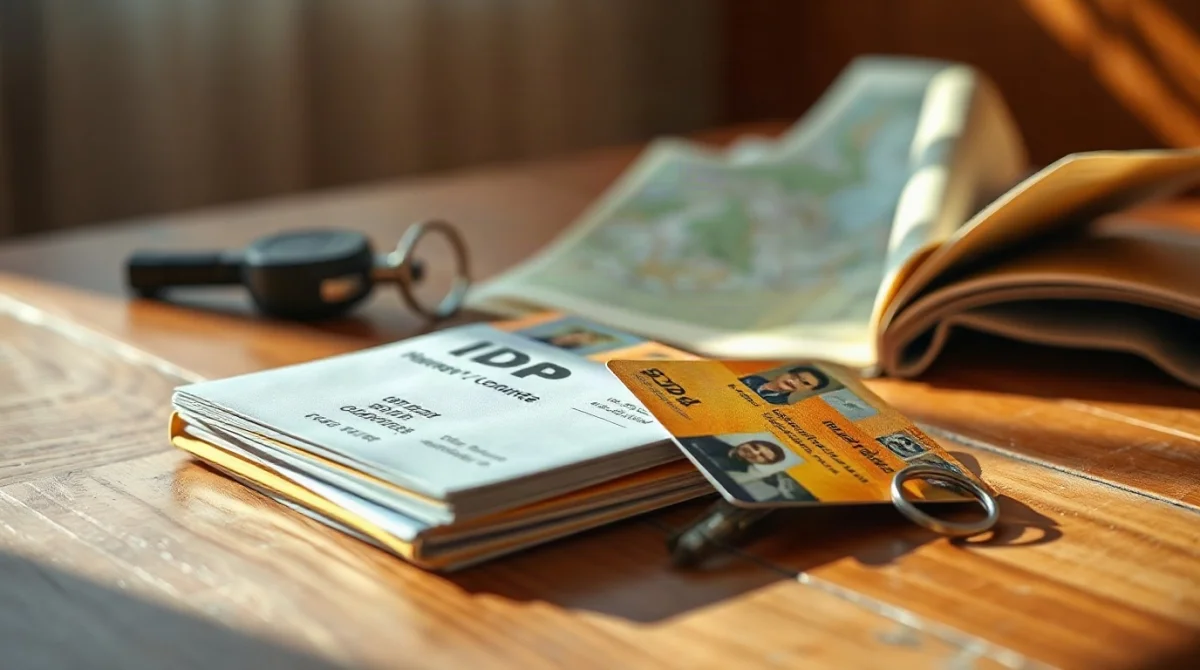
There are 91 parties to the 1968 Vienna Convention, among them the United Kingdom, Germany, France, Spain, Poland and Indonesia (UN Treaty Collection – Vienna Convention). Canada has not joined the 1968 Vienna Convention, which means Canadians may instead need a Vietnamese driver’s licence; Australia and New Zealand, on the other hand, are parties to the 1949 Geneva Convention, while the United States signed the 1968 Vienna Convention but never became a party to it.
When You Need a Vietnamese Driver’s Licence
According to the Canadian government, operating a vehicle with an engine of 50cc or above, a category covering most rental motorbikes, requires holding a valid Vietnamese driver’s licence. The UK position is different: a home licence plus an IDP is treated as sufficient.
Vietnamese authorities have not issued a clear statement about how long a foreign licence or IDP stays valid, nor about whether one substitutes for the other, so foreign ministries read the gap in different ways. Ask your embassy or the Vietnamese Ministry of Public Security before you rent.
Staying Safe While Driving in Vietnam
Your passport should never be handed over to a motorcycle rental shop or a landlord as a deposit, a point the UK foreign office makes in explicit terms. Give photocopies instead and keep the original with you.
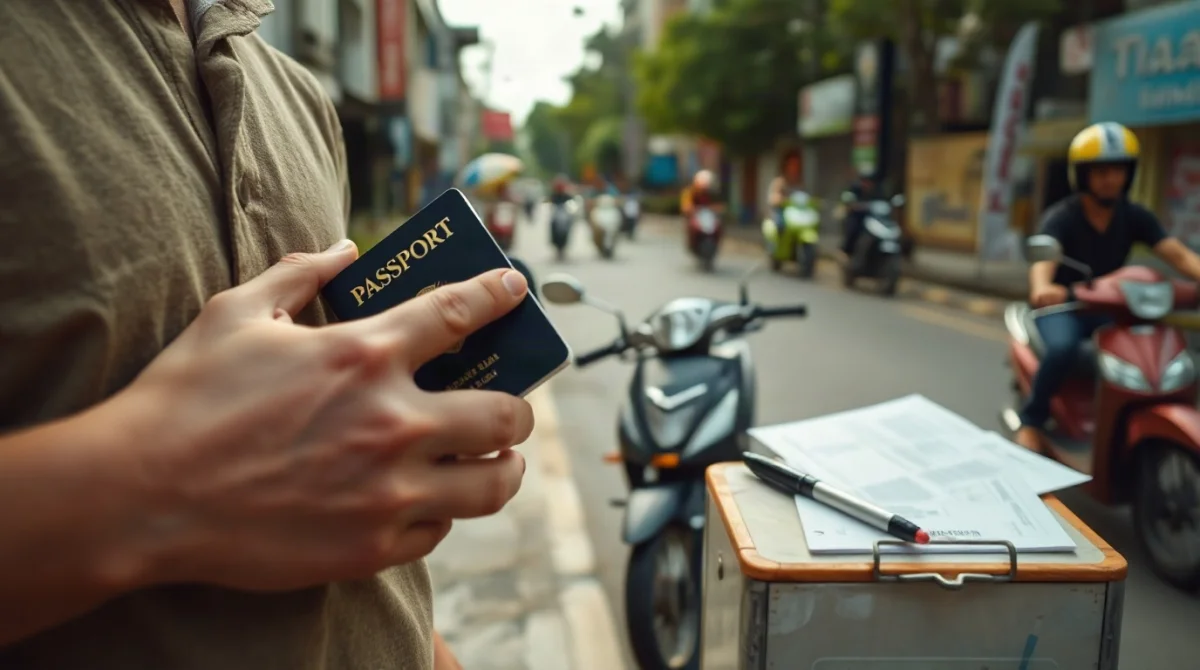
Thieves on motorcycles frequently snatch bags, so hold your bag in front of you or on the side facing away from the traffic. Around Christmas and the Lunar New Year (Tet) petty crime also increases.
Frequently Asked Questions (FAQ)
Which international driving permit do I need for driving in Vietnam?
British authorities point to the 1968 Vienna Convention version, which should be carried with your national licence. Since Vietnam has not published clear guidance on the format it recognises in practice, ask a Vietnamese embassy.
Is Vietnam among the parties to the 1949 Geneva and 1968 Vienna road traffic conventions?
Correct. Vietnam joined the 1949 Geneva Convention on 2 November 1953, and it also appears on the list of parties to the 1968 Vienna Convention, a treaty that took effect on 21 May 1977. The distinguishing sign it uses is “VN”.
Is it necessary for me to have a Vietnamese driver’s licence while driving in Vietnam?
Canadian travel advice answers yes for any vehicle with an engine of 50cc or above, a category that includes most of the motorbikes available for rent. Your nationality may change the position, so confirm it with your embassy before renting.
Should my passport be left as a deposit with a motorcycle rental shop?
No. The UK foreign office advises that your passport should never be given to anyone as a guarantee, rental shops included. Hand over a photocopy and keep the original with you.
What is the reason that Canada and the UK give different driving advice for Vietnam?
No clear statement has been published by Vietnam on whether a home licence together with an IDP is enough, which leaves governments reading the silence in their own ways. The guidance issued by your own embassy is the most relevant one to follow.
Sources and verification
- UN Treaty Collection – Convention on Road Traffic, Vienna 1968, status of parties – list of parties, date of entry into force, distinguishing signs (verified 2026-10-13)
- UN Treaty Collection – Convention on Road Traffic, Geneva 1949, status of parties – list of parties, details of Vietnam’s accession, the sign “VN” (verified 2026-10-13)
- UK Foreign, Commonwealth & Development Office – Vietnam travel advice: safety and security – requirement for the 1968 IDP, warnings about passports and personal safety (verified 2026-10-13)
- Government of Canada – Vietnam travel advice – requirement to hold a Vietnamese licence for vehicles of 50cc and above (verified 2026-10-22)
- Vietnam National e-Visa Portal – Immigration Department, Ministry of Public Security – context on entry rules and visa requirements (verified 2026-10-13)
- Convention on Road Traffic, Geneva 1949 – UNTS vol. 125, p. 3 (treaty text)
- Convention on Road Traffic, Vienna 1968 – UNTS vol. 1042, p. 17 (treaty text)