
For most visitors, Vietnam is a safe destination, and violent attacks on foreigners are uncommon. Even so, petty theft, bags grabbed by people on motorbikes, and drinks laced with drugs are frequent occurrences.
The practical safety advice gathered here is meant for Hanoi, Ho Chi Minh City and every stop in between. We are not a government site, we take no payments and we file nothing on your behalf. When it comes to visas, head to the Vietnam National e-Visa Portal and double-check the information there before departure.
Crime and Personal Security
The street-level crime rate is high enough that you should build your plans around it.
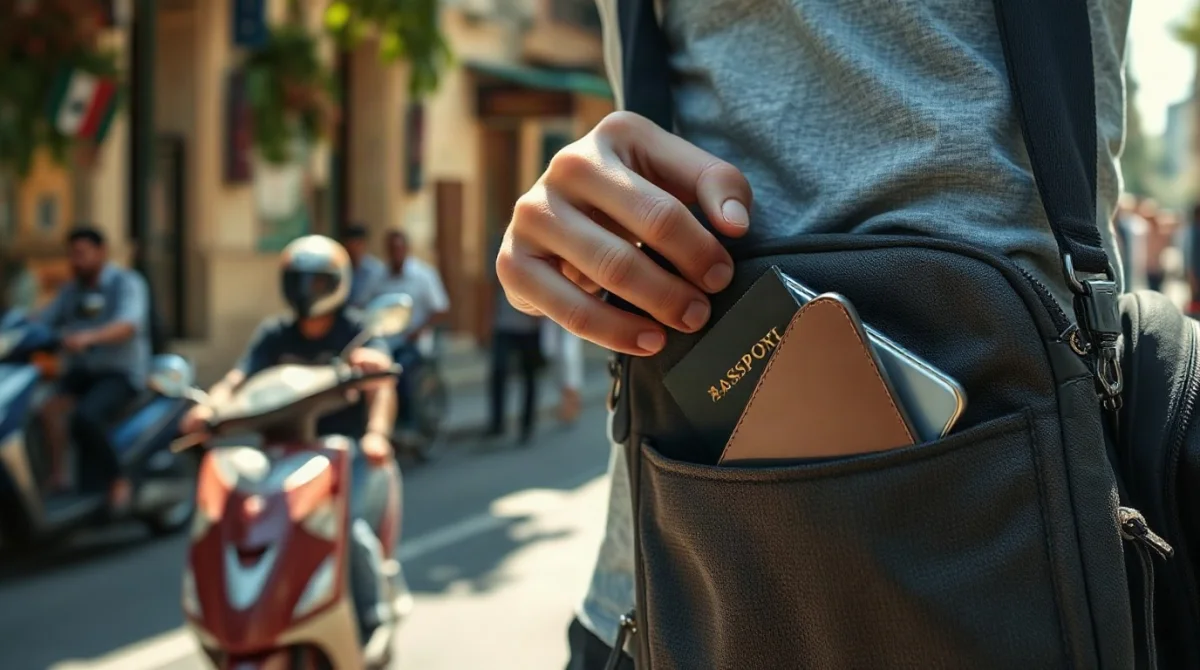
- Thieves on motorbikes target busy places and tourist areas to grab bags. Keep your bag in front of your body or on the side away from the traffic.
- Keep an eye on your things aboard buses and sleeper trains.
- Do not leave a drink out of your sight. Methanol poisoning has proved fatal, and neither taste nor smell gives it away.
- Stick to licensed taxis. Rapes and sexual assaults have been reported in tourist districts, and unlicensed drivers are often involved.
- Female travelers report being groped and harassed, above all when they walk alone.
According to the UK Foreign, Commonwealth & Development Office, petty crime rises over Christmas and Tet. Never leave your passport with a motorbike rental shop or a landlord as security. Job offers abroad that seem too good to be true should be treated as scams, because some victims have had their passports taken away after being moved across borders.
Emergency Numbers: Police, Fire, and Ambulance
Keep these numbers stored before an emergency arises, as the operators answer in Vietnamese only.
| Service | Number |
|---|---|
| Police | 113 |
| Fire | 114 |
| Ambulance | 115 |
| National search and rescue | 112 |
| Child protection hotline | 111 |
If you report a crime, the steps below outline what to do next.
Bring a translator
Take one to the police station
Obtain a police report
Make sure you get one
Contact your travel provider
Insurers expect this first
Contact your insurer
Reach out after the provider
Guidance on locating English-speaking lawyers and interpreters is also published by the FCDO.
Vietnam Travel Safety: Other Risks to Know
Some less obvious dangers take travelers by surprise.
- Politics: Vietnam is governed by a single party. Stay away from protests, refrain from criticising the government and carry no political material, since doing so may result in prison or a travel ban.
- Internet: Websites and social media may be blocked by the authorities, who can also inspect what is stored on your devices.
- Storms: Tropical storms occur between May and November. Pay attention to the National Centre for Hydro-Meteorological Forecasting and to local officials; English-language coverage appears in VNexpress and Vietnam News.
- Registration: On arrival you are required to register your presence with local authorities. This is normally handled by hotels. If you stay in a private home, either you or your host must inform the nearest police station.
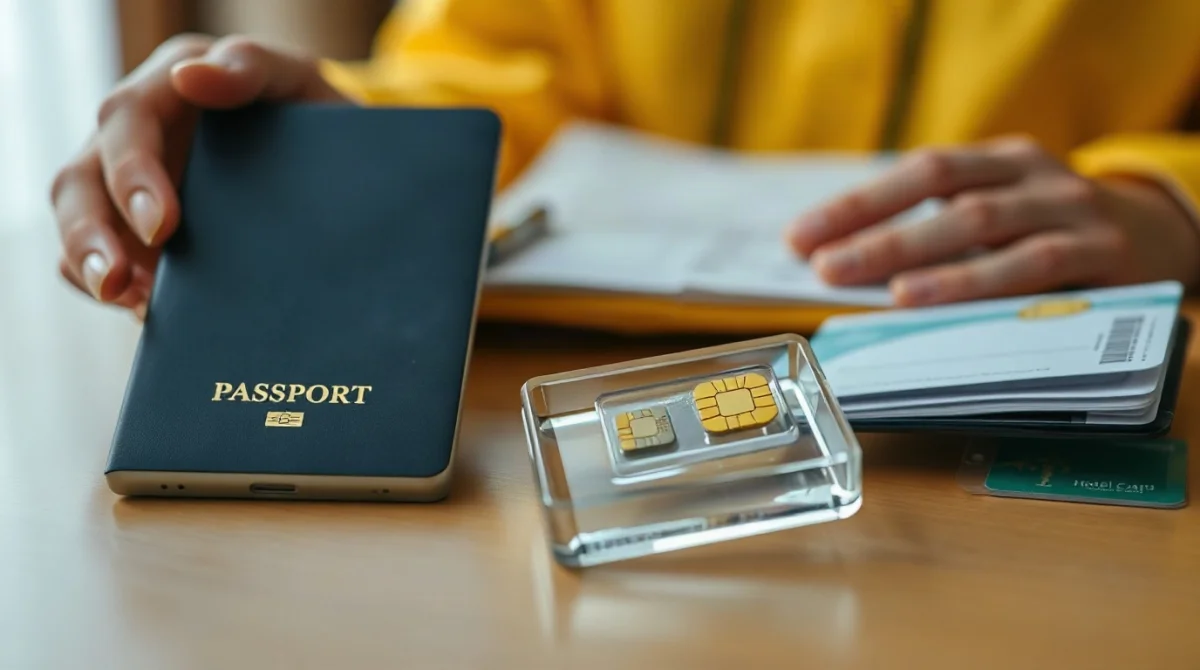
- Passports: At check-in, a hotel may want to keep your passport. No legal obligation to hand it over is known to exist.
Frequently Asked Questions (FAQ)
What is the police emergency number in Vietnam?
Call 113. Operators speak Vietnamese only, so ask a Vietnamese speaker to make the call with you.
Can emergency services in Vietnam be reached in English?
No. As the UK FCDO states, the emergency lines work in Vietnamese only. Have a translation app or a Vietnamese-speaking contact ready.
Do tourists in Vietnam often fall victim to violent crime?
No, such crime is rare. The routine dangers are petty theft, pickpocketing and bags snatched by riders on motorbikes, and they grow more common around Christmas and Tet.
If I become a victim of crime in Vietnam, what steps should I take?
Call the police on 113, taking a translator with you if you can, and obtain a police report. Afterwards, reach out to your travel provider and insurer.
Which safety tips for Vietnam are useful during periods of heightened crime, such as Tet?
Carry bags across your body, hide phones in crowded places and keep valuables safe on sleeper buses and trains. Choose licensed taxis.
Which number do I dial for an ambulance in Vietnam?
Call 115. For fire the number is 114, while national search and rescue is 112.
Which safety tips for Vietnam should women who travel alone follow?
Keep to lit streets and licensed transport, and never take your eyes off your drink. In assault cases, victims face a heavier burden of proof than they would in the UK.
Which number is used for search and rescue in Vietnam?
Call 112. This is a different line from the police number 113 and the ambulance number 115.
Sources and Verification
- UK FCDO – Vietnam travel advice: safety and security – crime, spiked drinks, methanol poisoning and political sensitivities (verified 2026-10-13)
- UK FCDO – Vietnam travel advice: getting help – emergency contact numbers and how to report a crime (verified 2026-10-13)
- UK FCDO – Vietnam travel advice: warnings and insurance – storm season plus insurance (verified 2026-10-13)
- Government of Canada – Vietnam travel advice – registration and rules for accommodation (verified 2026-10-22)
- Vietnam National e-Visa Portal, Immigration Department – e-visa for foreign nationals (verified 2026-10-13)
- Government of Viet Nam online newspaper – Resolution No. 44/NQ-CP – visa exemption covering 12 countries (verified 2026-10-13)
- Government of Viet Nam online newspaper – Resolution No. 229/NQ-CP – visa exemption aimed at stimulating tourism (verified 2026-10-13)
- Government of Viet Nam e-newspaper – Resolution 127/NQ-CP – who qualifies for an e-visa and which border gates (verified 2026-10-13)
- Consular Department, Ministry of Foreign Affairs of Viet Nam – Exemption of entry visa – list of visa exemptions (verified 2026-10-13)